 Yorkie
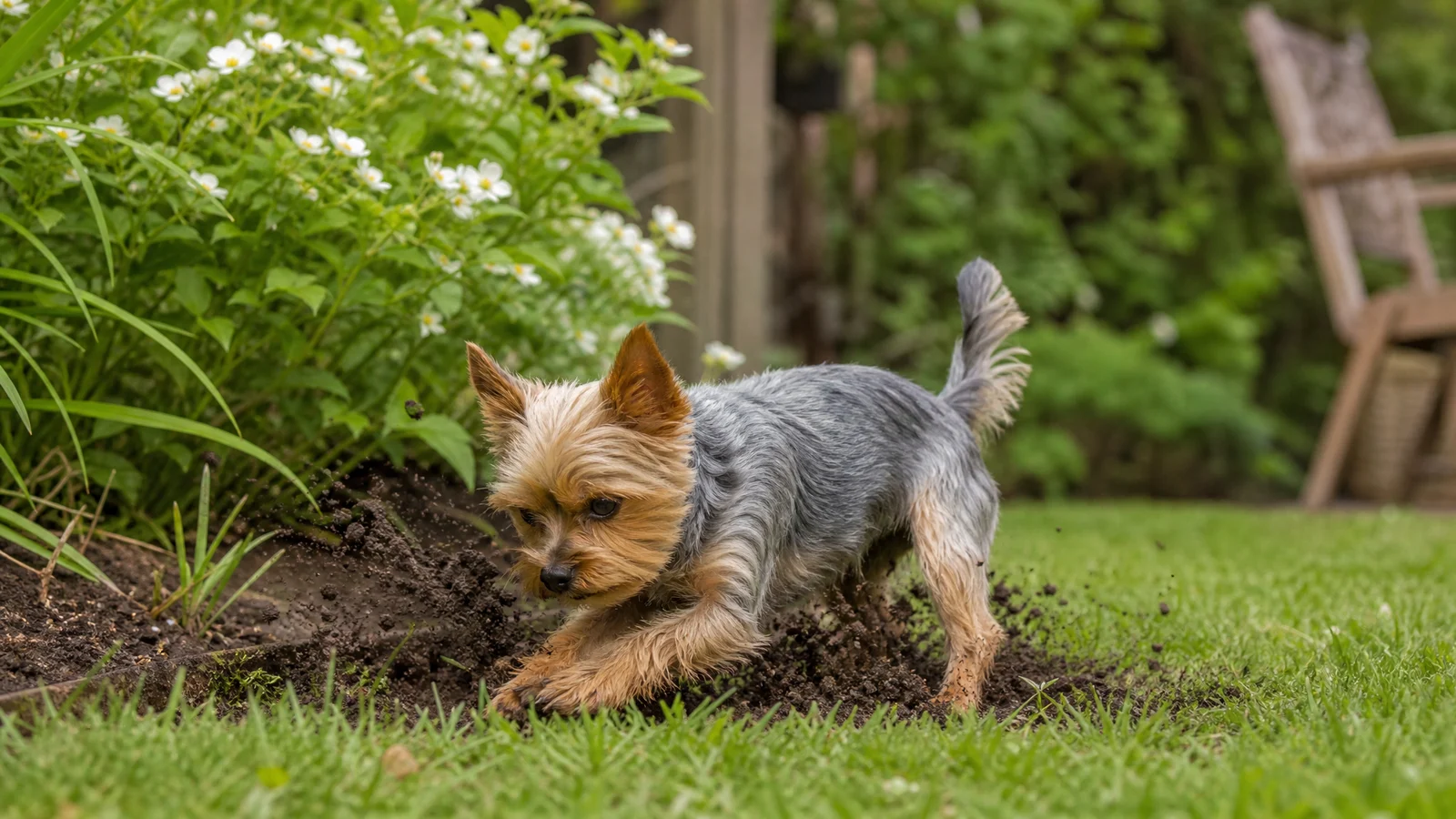
Some Yorkshire Terriers stroll up to a Great Dane as if they own the sidewalk, while others melt into the nearest lap and refuse to touch the floor. Both dogs are the same breed, and both are living out a very old job description packed into a small body and a silky coat.
This article looks at training through the lens of that terrier heritage, so you can read what everyday behaviors really mean, tell bold from bossy, and use rewards, routines and slow socialization to steer the spirit instead of fighting it. Handled well, you get a clever, funny, devoted companion. Handled badly, the same traits harden into nonstop alarm barking, possessiveness and a household run by the smallest resident.
Ratter Roots Behind Yorkshire Terrier Training
Start with where the breed came from, because nearly everything your Yorkie does makes more sense once you know. The Yorkshire Terrier was developed in the mid-1800s in the northern English counties of Yorkshire and Lancashire, and these dogs earned their living as ratters in mines and mills long before they became the lapdogs of Victorian ladies. Beneath that dainty coat beats the heart of a feisty, old-time terrier.
Think about what a good ratter needs. Sharp ears for the faintest scratch, eyes that lock onto small movements, the nerve to go where bigger dogs cannot, and the willingness to act without waiting for a person to say yes. The spirited terrier strains are still right there in the standard, alongside a very intelligent and lovable nature. Those two halves explain the whole dog: quick-witted, devoted and utterly unconvinced that size matters.
The Alerting Instinct and Barking
The alerting instinct is the one you will meet first. The breed is known as a fine little watchdog, and on the breed ratings the Yorkie scores at the top for vigilance and high for barking.
Many owners find that much of the noise comes from what the dog sees and hears from windows, yards and the street: passersby, animals, other dogs, voices, passing vehicles. Some Yorkies turn into a one-dog neighborhood watch, reacting to every neighbor and every blowing leaf, at any hour of the day.
That is why we favor managing the view and rewarding quiet over trying to silence the instinct. You cannot train away a job the breed was built for, but you can teach your dog that calm, quiet moments are the ones that pay.
Chasing, Digging and Daring in Yorkshire Terriers
Once you see the ratter underneath, daily quirks stop looking random. Here is how some of the most common ones read through the terrier lens.
- Lunging at a skittering leaf, a rolling ball or a squirrel is the chase instinct reacting to fast, small movement, and it usually says the dog needs more outlets for that drive rather than that anything is wrong.
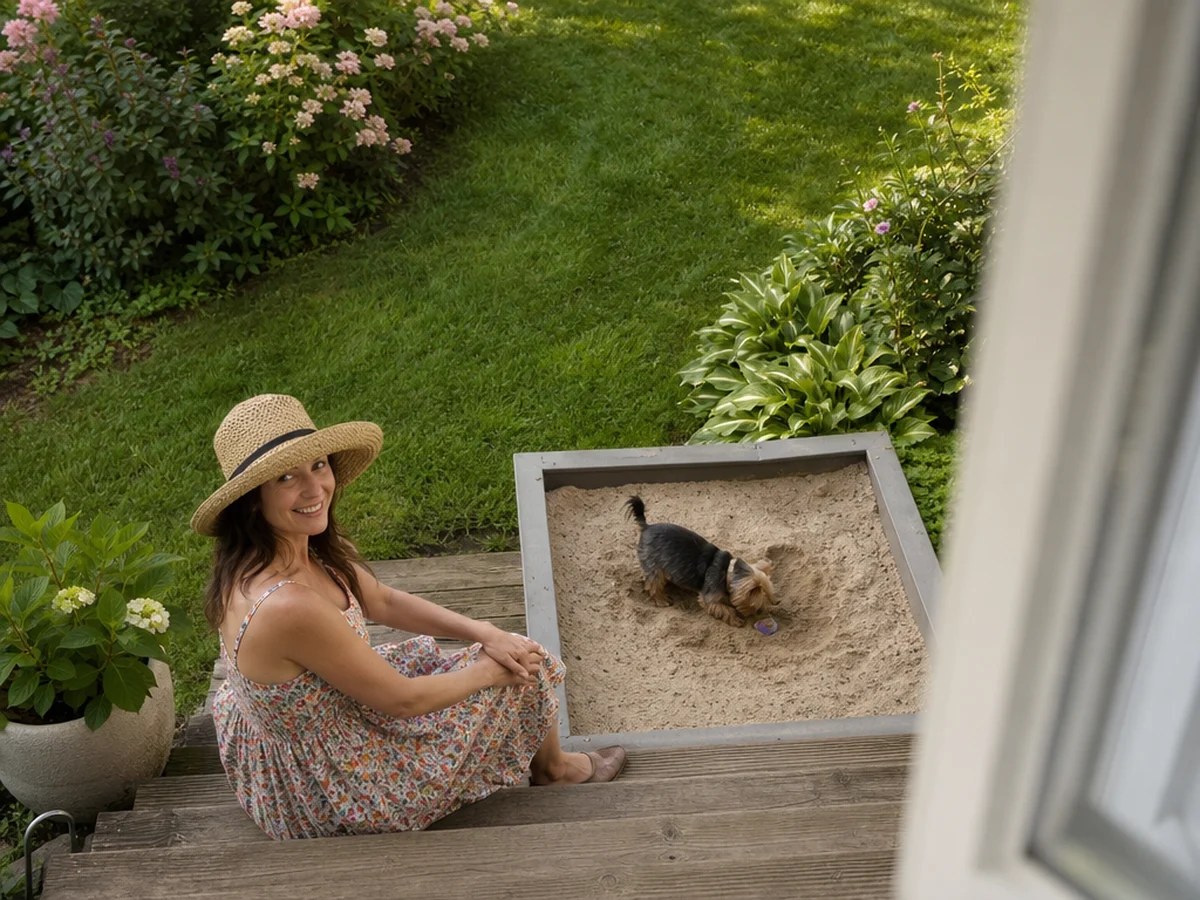
- Scratching at blankets, couch cushions or the yard is a terrier habit that many owners recognize, and it tends to show up when a dog is bored or excited, so it is a cue to offer a better activity.
- Barking at the window is the watchdog at work, and the more often the dog rehearses it, the more automatic it becomes.
- Marching up to a much larger dog with a stiff, confident walk is the terrier ignoring the size difference, which is charming in a living room and risky at the dog park.
- Seeming to understand every word and then doing something else is a clever dog making a choice, not a dog who failed to learn.
That last point matters more than it sounds. Owners often describe their Yorkie as very intelligent, and the same brain that learns a trick in a few repetitions also learns how to run you. Some Yorkies learn to exaggerate potty behavior to earn praise and treats, including asking to go out many times a day. If your dog seems to be playing the system, they probably are, and the fix is a tighter reward policy rather than more frustration.
Slow Socialization Training for a Yorkshire Terrier Puppy
A Yorkie puppy arrives filled with energy and curiosity, always ready for a romp, and the confidence you see at that stage is mostly raw material. Owners are often surprised by how much sass, love and affection can come from a very tiny puppy. What that puppy does with the confidence depends heavily on early experiences, which is why the personality varies so much from one dog to the next.
Some puppies grow into the cheerful big-dog attitude, while others become shadows who want one lap and one person. The breed ratings give a hint of the range: Yorkies score at the top for openness to strangers but only in the middle for getting along with other dogs, which the ratings describe as fine with supervision. Both bold and clingy are normal, and neither is a flaw you caused.
Socializing Slowly and Kindly
The one thing you can shape is how those traits settle. Socializing a Yorkie from an early age to strange situations, people and other dogs works best, with new things introduced slowly in a calm, happy atmosphere. Guidance from veterinary socialization advice adds the details that matter for a small dog: reward positive or neutral engagement with praise, play and treats, let the puppy withdraw when uncomfortable, and move at the puppy's own pace.
Pay special attention to devotion. Yorkies are loving, loyal and happiest with their people, and for some dogs this tips into possessiveness. Owners report Yorkies who cannot stand attention going to another person or dog, and others who adore one person and dismiss everyone else with a grumpy look. Slow, rewarded exposure to visitors and calm dogs during puppyhood is the best protection against both.
Is Your Yorkshire Terrier Bossy or Just Bold?
Many owners describe a Yorkie who acts like the biggest dog in the world, expects everyone to behave accordingly and tries to control situations around the home. A lot of people laugh this off because the dog is small. We would push back on that: a habit you would never accept from a large dog, like blocking a doorway or demanding attention on command, deserves the same calm response at any size. The difference between bold and bossy is worth learning to spot.
- Bold looks relaxed, with a loose body, a friendly approach and a quick recovery after something startles them, and it needs nothing from you except a reward now and then.
- Bossy looks like demanding, such as barking until you respond, guarding the couch or squeezing between you and another person, and it calls for clear routines and rewards for polite alternatives.
- Fearful can hide behind a big attitude, with stiff posture, barking from behind your legs or snapping when cornered, and it calls for more distance, slower introductions and treats that build good feelings.
Context helps you sort them. A dog who is bossy at home but relaxed outside is usually practicing a habit, while a dog who is reactive everywhere may be anxious. Some adult dogs who are adopted show biting, growling and wild behavior when left in a crate, which often points to stress about confinement rather than attitude. Go back to basics with the crate: leave the door open, feed meals inside and build up short, calm stays with treats.
If behavior changes suddenly, schedule a vet visit, and keep up regular checkups anyway so small problems are caught early.
Training That Channels Terrier Drive
Your plan should work with the drive, not against it. Current evidence supports using only reward-based methods for all training, including behavior problems, and it fits this breed especially well. Yorkies love their owners and are eager to please, so effusive praise and tasty treats go much further than any harsh approach ever could. The two sections below turn the instincts into simple habits.
Redirection That Gives the Drive Somewhere to Go
Redirection means offering a better job at the moment the instinct fires. For window barking, start by managing the view: use a lower perch, frosted film or a closed curtain, and keep the dog from rehearsing the habit while you are out. When a trigger does appear, say your marker word as soon as the dog looks and stays quiet, then deliver a treat. Over time, the sight of a passerby becomes a cue to look at you instead.
The same logic handles the clever potty faker. Take the dog out on a purposeful schedule, stay boring until they actually go, and reward only a real elimination, right away. If nothing happens after a few minutes, go back inside without fuss. For possessiveness, reverse the pattern: when you greet another person or dog, calmly drop treats for your Yorkie, so company starts predicting good things.
Impulse Control for a Quick Mind
A ratter acts first, which is why impulse control is the most valuable skill you can teach. Keep sessions short and upbeat, and practice in this order.
- Ask for a sit before meals, leashes and doors, then reward the moment the dog does it without being told twice.
- Teach a wait at the door, opening it a little at a time and rewarding a dog who stays put.
- Practice a leave-it with a treat in your closed hand, rewarding a dog who backs off before you open it.
- Build a settle on a mat, rewarding calm and gradually extending how long they stay.
If your dog seems stubborn, raise the value of the reward and shorten the task before assuming defiance. And keep jumps low during training, especially with puppies, because limiting jumping height helps protect small knees.
Giving a Yorkshire Terrier a Job Beyond Basic Training
Yorkies rate high for both energy and mental stimulation needs, which means a walk around the block is rarely enough for that busy brain. Moderate exercise suits them well, such as steady-paced walks plus occasional short bursts like chasing a tennis ball in the backyard. Then add jobs that let the old instincts out in safe, fun ways.
- Sniff games, where you sprinkle treats across the lawn or tuck them into hiding spots around a room, let the nose do the work and tire a dog out faster than you might expect.
- Tug with simple rules gives the chase and grab instinct a home, especially if you teach a cue for letting go and pause the game whenever teeth touch skin.
- Tricks like spin, weave through your legs and shake use the quick mind, and a Yorkie who loves performing will keep inventing new ones.
- Rally-style play, a little course of cones or cushions with a cue at each stop, turns your living room into a puzzle that rewards focus and teamwork.
Rotate the games so they stay fresh, and end each one while the dog is still eager. A tired, satisfied terrier is a quieter one.
Today's Training Step Toward a Calmer Yorkshire Terrier
The big-dog attitude is not a flaw to fix. It is a ratter's confidence, alertness and cleverness living in a small body, and it needs outlets, routines and clear rewards for the calm versions of its behavior. Give the drive somewhere to go, socialize slowly and kindly, and the same traits that cause trouble become the reasons people adore this breed.
So today, pick a single behavior, whether that is window barking, a bossy demand or the repeated potty request. Watch for the calm version of it, then reward that at the very next opportunity. One well-timed treat is a better start than any plan you have not yet begun.
 Coat brushingFirst Commands Every Yorkie Dog Can Learn With Treats
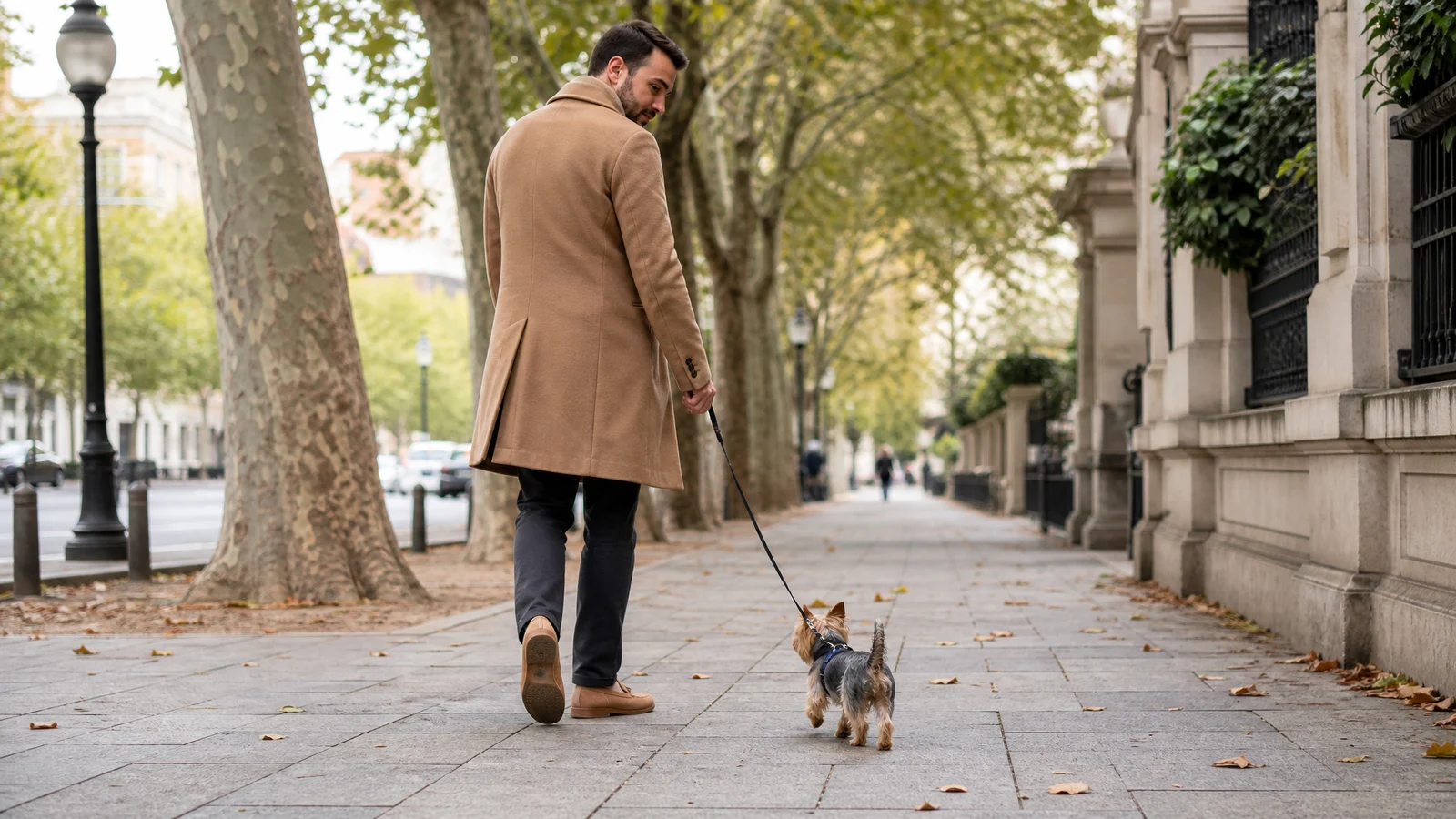 Training basicsHarness and Leash Training for Your Yorkie, Step by Step
 Training basicsTrain the Dog You Have: Yorkie Personality and Your Training Plan